Fandom
Conventions are trade shows, meeting places and economies wearing the same badge
The gathering that looks like a single event is several overlapping ones, each with different participants, different economics and different reasons to be there.

Everything here earned its place by changing an outcome. Nothing about convention economies is included to round the number up.
What matters most
- Large conventions combine a trade function, a fan-meeting function and a commercial marketplace.
- Artist and dealer areas are a functioning economy that sustains professional practice.
- Programming, run mostly by volunteers, is what distinguishes a convention from an exhibition.
Several events in one hall
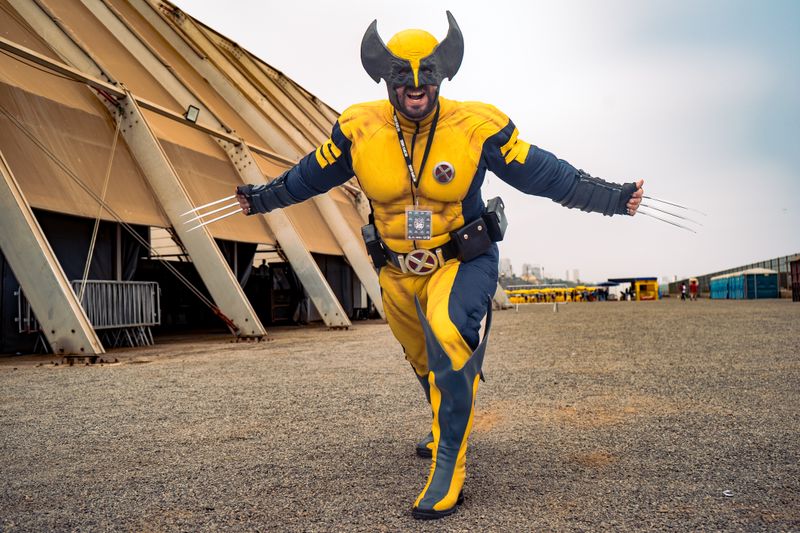
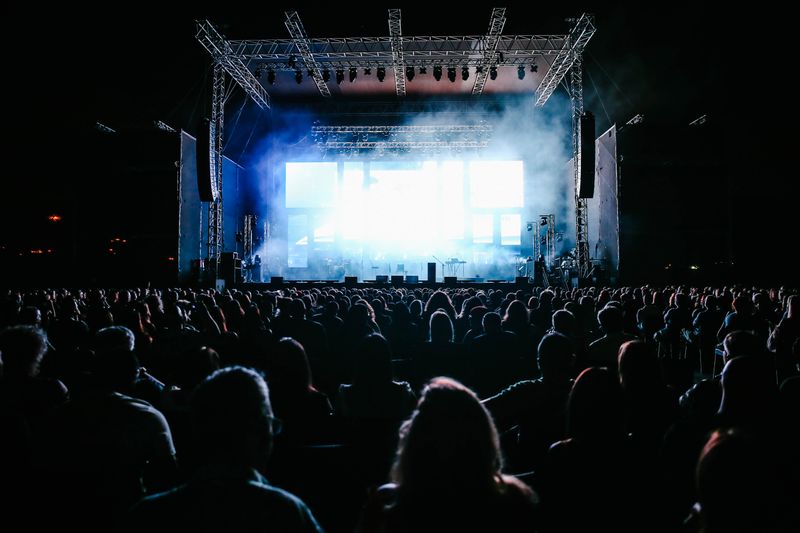
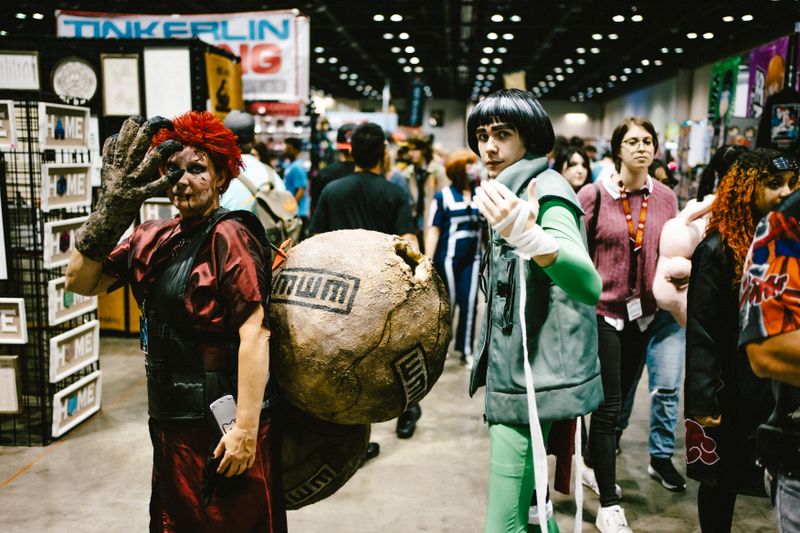
A convention typically contains a commercial exhibition, a marketplace of independent sellers, a programme of talks, and a large informal social gathering. Each has different participants, and a given attendee may engage with only one and consider that the whole event. That is why descriptions of the same convention differ so wildly depending on who is describing it.
It also creates real tensions, since the commercial and community functions want different things from the same floor space. The largest events have essentially become industry showcases with a fan gathering attached, which is a legitimate evolution and a real loss.
The artist economy
Areas set aside for independent creators to sell directly are a functioning economy supporting a substantial number of working artists. For many, convention sales are a significant share of annual income, which makes table allocation a serious professional matter.
The direct relationship between maker and buyer removes intermediaries entirely, which is rare in any creative field. It also means the work sold reflects what audiences want with no filtering, which is genuinely interesting as market information. This part of a convention is frequently the most creatively vital and receives the least outside attention.
Programming and volunteer labour
Panels, workshops and screenings are what distinguish a convention from a shopping event, and they are usually organised by volunteers. That labour is substantial, spanning months of planning, scheduling and coordination for an event lasting a weekend.
In the mix, the quality of programming is what determines whether attendees encounter ideas or only merchandise. Volunteer capacity is also the constraint that most often limits how large a community-run event can become. Events that transition to professional organisation gain scale and frequently lose the programming character that made them worth attending.
Access and its economics
Guest appearances, photograph sessions and signings operate as a separate paid economy within the event. That model funds appearances that ticket revenue alone could not support, which is why it became standard. It also converts access into a purchase, which changes the character of the interaction in ways participants have mixed feelings about.
Smaller conventions often retain more informal access, which is one of the strongest arguments for attending them. The trade between scale and intimacy is the defining structural tension of the whole format.
Safety and conduct
Large gatherings require explicit conduct policies, trained staff and clear reporting routes, and standards vary considerably between events. Policies improved substantially across the sector following sustained pressure from attendees and creators.
Enforcement remains the weak point, since a policy without staffing and follow-through provides reassurance rather than protection. Prospective attendees can reasonably check what an event publishes and how it describes handling reports. This is now a normal part of assessing an event rather than an unusual concern.
Attribution is difficult on collaborative work, and a credit is not the whole story.
Choosing what to attend
Large commercial events are best for exhibition, announcements and volume, and worst for conversation and depth. Small community events are the reverse, with substantive programming and genuine access at a fraction of the scale. Specialist events focused on one medium or interest usually offer the most concentrated programming of all.
On a second viewing, checking who organises an event and how programming is selected tells you more than the guest list does. Most people who attend regularly settle on a mix, which is a reasonable response to formats that do genuinely different things.
Everything above, in order of what to do first
- Several events in one hall. A convention typically contains a commercial exhibition, a marketplace of independent sellers, a programme of talks, and a large informal social gathering.
- The artist economy. Areas set aside for independent creators to sell directly are a functioning economy supporting a substantial number of working artists.
- Programming and volunteer labour. Panels, workshops and screenings are what distinguish a convention from a shopping event, and they are usually organised by volunteers.
- Access and its economics. Guest appearances, photograph sessions and signings operate as a separate paid economy within the event.
- Safety and conduct. Large gatherings require explicit conduct policies, trained staff and clear reporting routes, and standards vary considerably between events.
- Choosing what to attend. Large commercial events are best for exhibition, announcements and volume, and worst for conversation and depth.
The takeaway
Work out which of the several events inside a convention you actually want, then choose accordingly.
Popularity and craft are two different measurements, and both of them are real.
Questions readers ask
Why have convention tickets become so expensive?
Venue costs, security and insurance have risen sharply, and large events compete for the same limited convention centre capacity. Guest costs are a smaller factor than most attendees assume.
Are small conventions worth attending?
For programming and conversation, often more so. They cannot compete on exhibition or announcements, which is a different reason to attend.
Also by Vaishnavi Rao
- The unbroken take is a scheduling problem long before it is a stylistic oneFilm & Screen
- Development hell is not one problem — it is six, and they take turnsFilm & Screen
- The second act is where films fall apart, and the reason is structuralFilm & Screen
- A soundstage and a location ask completely different things of an actorFilm & Screen