Fandom
Cosplay is a construction discipline that happens to be about characters
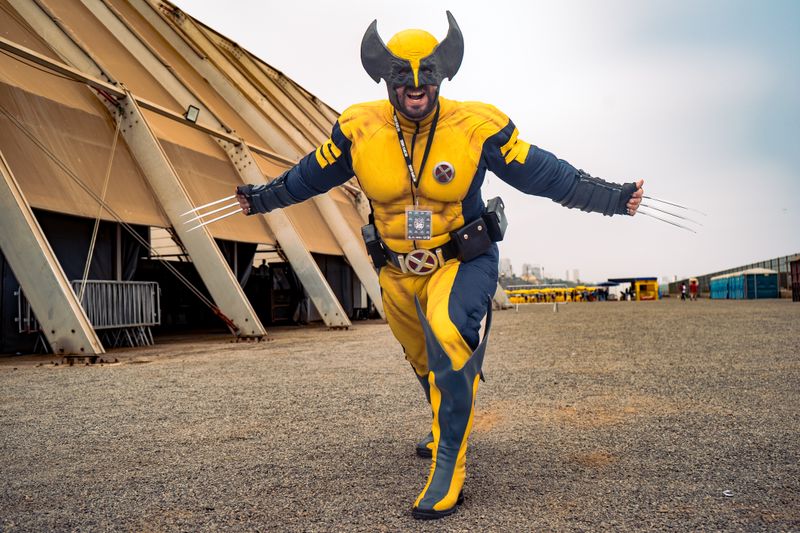
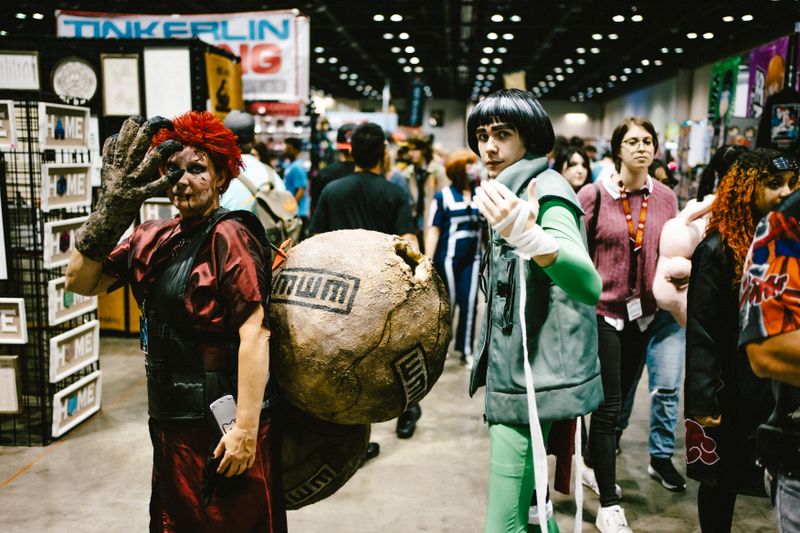
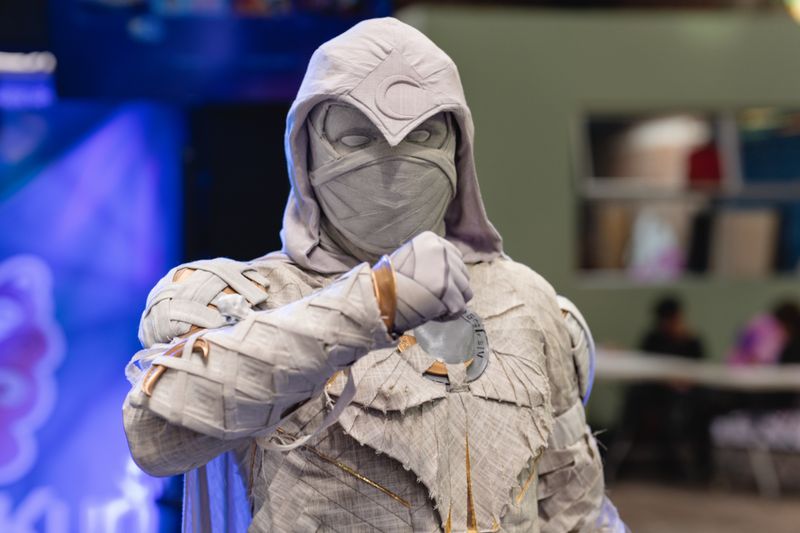
Making a wearable version of a costume designed for a camera means solving problems in fabrication, engineering and materials that the original never had to face.
The options around cosplay construction are set out side by side below, with the conditions that genuinely favour one over the other.
The difference in one place
- Screen costumes are built for specific shots; a wearable version must work from every angle.
- Thermoplastics, foam and 3D printing replaced techniques that required industrial equipment.
- Weight, heat and mobility constrain a build more than appearance does.
Why the screen version is not a pattern
A costume built for filming only has to work from the angles that will be photographed and for the duration of a take. Fastenings can be visible from behind, structures can be supported off-camera, and a piece can be worn for minutes at a time.
A cosplayer needs the same silhouette to hold from every direction, unsupported, for many hours in a crowded space. That converts a costume problem into an engineering one, with load paths, attachment points and fatigue all mattering. The result is that a good build frequently uses entirely different construction from the original it resembles.
Materials and what changed
Thermoplastic sheet that softens with heat allows complex curved armour to be shaped without moulds or metalwork. Closed-cell foam gives large, light structures that can be carved and sealed, which made big builds accessible.
Here is what the choice buys: domestic 3D printing supplies precise repeated components such as fasteners, mechanisms and detailed small parts. Each of these removed a barrier that previously required industrial workshop access, which changed who could build what. That shift is why the standard of visible work has risen so sharply and so quickly over the past two decades.
The constraints that actually govern a build
Weight is the first, since anything worn on the shoulders for eight hours must be a fraction of what looks reasonable in a photograph. Heat is the second, because sealed materials trap body heat and a crowded hall is warm before anyone puts armour on.
Structurally, mobility is the third, covering the ability to sit, use stairs, pass through doorways and reach one's own face. Experienced builders design for these first and appearance second, which is the reverse of how beginners approach it. The visible difference between an experienced build and a first attempt is usually in these three things rather than in finish.
Finishing is most of the work
Getting a shape roughly correct is fast; making it read as metal, leather or ceramic takes far longer than the construction did. Priming, sanding, sealing and painting are iterative and account for a large majority of the total hours on most builds.
On a second viewing, weathering is a separate skill entirely, since a clean surface reads as plastic and a correctly worn one reads as real. Photography introduces a further layer, as finishes that look convincing in person can fail badly under a flash.
Builders therefore finish for the context they expect, which is a genuine and often overlooked design decision.
The community's teaching function
Cosplay communities produce enormous quantities of instructional material, most of it free and produced by working builders. Techniques circulate rapidly, which is a large part of why capability has advanced so fast across the whole community. That culture of sharing is unusual among craft communities and is worth noting on its own terms.
Competitions with judged construction categories have formalised standards and pushed technical documentation further. The result is an amateur craft community with a genuinely professional body of transmitted knowledge.
What reaches an audience has passed through hands that nobody lists.
Where it connects to industry
The materials and techniques overlap substantially with professional props, effects and theatrical costume work. A number of people have moved from one to the other, in both directions, since the skills transfer almost completely. That makes the community a genuine talent pipeline rather than only a hobby, which is not widely recognised.
Structurally, it also means professional practitioners frequently participate, which raises standards and circulates industry technique. Judging cosplay as costume-wearing misses that it is fabrication, and fabrication is a serious discipline.
Side by side
| Consideration | What it means in practice |
|---|---|
| Why the screen version is not a pattern | Screen costumes are built for specific shots; a wearable version must work from every angle. |
| Materials and what changed | Thermoplastics, foam and 3D printing replaced techniques that required industrial equipment. |
| The constraints that actually govern a build | Weight, heat and mobility constrain a build more than appearance does. |
The takeaway
A wearable version of a screen costume is a different object solving a harder problem.
Popularity and craft are two different measurements, and both of them are real.
Questions readers ask
Do you need expensive equipment to start?
No. Foam, a craft knife, contact adhesive and a heat source cover a great deal. The expensive tools speed up work rather than enabling it.
Why do builds look better in photographs?
Photography can be lit and angled to favour a build. Many makers finish specifically for photography, which is a legitimate choice with a different set of priorities.
Also by Harsha Vardhan
- Foley is a person in a room pretending to be your footsteps, and real sound will not doHow It Is Made
- Previsualisation turned expensive guesswork into a rough cut made before shootingHow It Is Made
- Dubbing and subtitling are two different arguments about what a performance isHow It Is Made
- The first assistant director runs the day, and the schedule is a creative documentHow It Is Made