Fandom
Fan art runs on an economy that cannot legally exist, and everyone involved knows it
Enormous quantities of work get made, commissioned and paid for around properties nobody involved controls. The arrangement survives on tolerance rather than permission.

There is a short answer about fan creative economies and a useful one, and they are not the same. What follows is the useful one.
The short version
- Most fan creative work involves protected characters and has no formal permission.
- Rights holders mostly tolerate it because enforcement would cost more goodwill than it protects.
- Community norms about payment and scale do more regulating than the law does.
A large amount of work with no legal footing
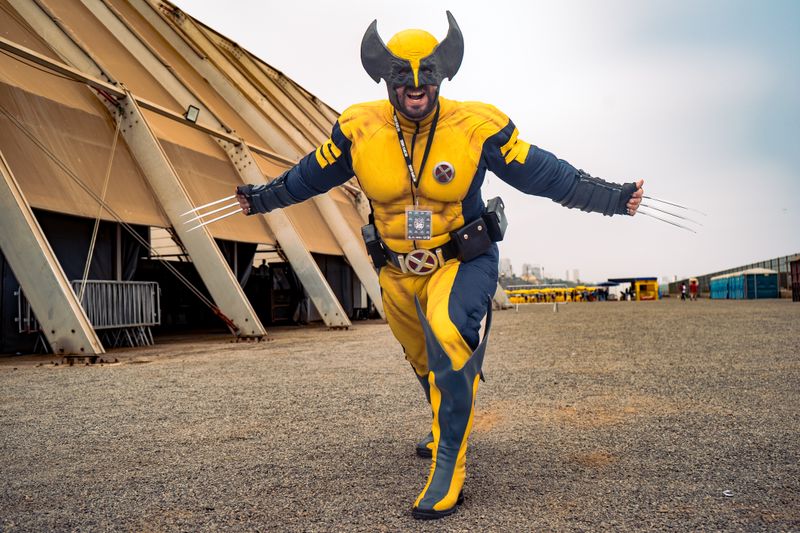
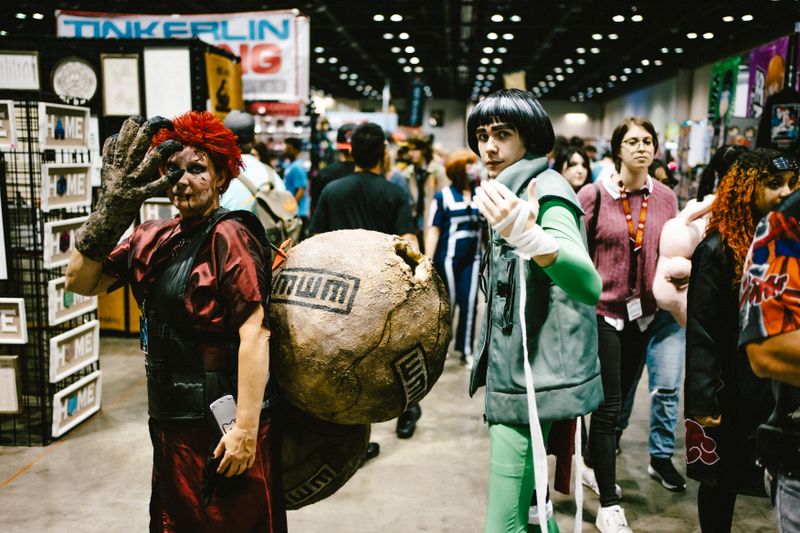
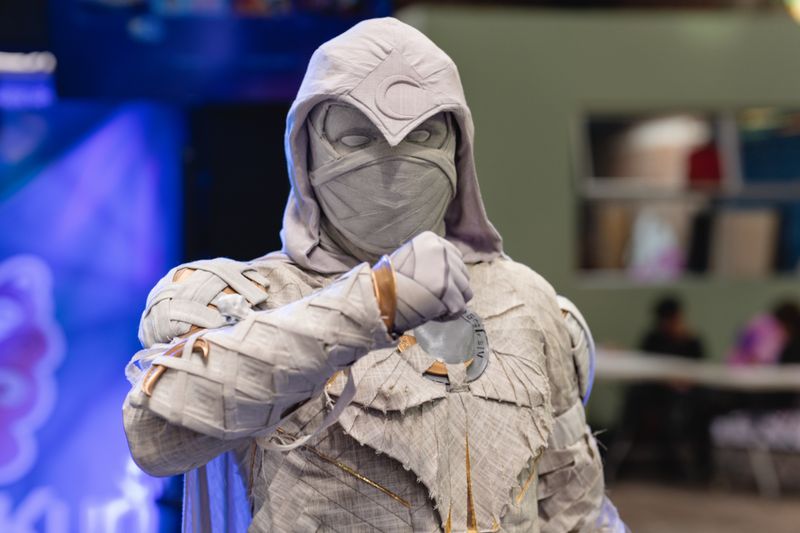
Communities produce vast quantities of drawing, writing, editing, costume and craft work built around characters somebody else controls. In most jurisdictions this involves protected material and has no formal permission attached to it whatsoever. The activity nevertheless happens openly, at scale, and frequently involves money changing hands between community members.
Rules differ substantially between countries, and nothing general can be assumed about where any particular activity stands. Anyone participating commercially should look at their own jurisdiction rather than at what others appear to get away with.
Why tolerance is the norm
Rights holders generally decline to act, because the people involved are also the most committed part of their audience. Pursuing them produces immediate and lasting reputational damage that is disproportionate to anything recovered.
On a second viewing, the activity also sustains interest between releases at no cost, which is a benefit rights holders quietly rely on. Tolerance is therefore a commercial calculation rather than an acknowledgement that the activity is permitted. It can be withdrawn, and it occasionally is, usually in ways that appear arbitrary from outside.
Community norms do the regulating
In the absence of clear rules, communities develop their own conventions about what is acceptable and enforce them socially. Common norms include charging for time rather than for characters, avoiding mass production, and declining work that competes with official goods. These conventions have no legal weight and are followed closely, because the community's tolerance matters more day to day than any distant risk.
They also shift over time and vary considerably between different communities working with different kinds of material. Newcomers who ignore them tend to discover the social enforcement long before they encounter any legal one.
What people are actually paying for
A commission is generally understood as paying for someone's labour and attention rather than for rights to anything. The buyer usually wants something specific to them, which is precisely what official goods cannot supply at any price. That specificity is the whole product, and it explains why the market persists alongside abundant licensed merchandise.
It also means the transaction is closer to hiring a craftsperson than to buying an item.
Understanding it that way clarifies why participants find the legal framing so poorly matched to what is happening.
The scale problem
Tolerance holds while activity stays at a scale that looks like a hobby rather than like a business. Anything that reaches mass production, general retail or obvious substitution for licensed goods tends to attract attention quickly.
The boundary is not defined anywhere and is understood reasonably consistently by everyone operating near it. Individuals who cross it usually do so without realising, since the line is made of judgement rather than of rules. The absence of clarity is uncomfortable for creators and convenient for rights holders.
Where it is heading
Some rights holders have moved toward explicit policies setting out what is permitted, which reduces uncertainty considerably. Others have gone the opposite way and become more restrictive, and there is no general direction across the field. Formal permission removes the risk and also introduces conditions, which communities do not always welcome.
The underlying tension is that a rights holder cannot grant broad permission without weakening the position it relies on elsewhere. That is a genuine legal constraint rather than an unwillingness, and it is why clarity arrives so slowly.
The takeaway
The whole arrangement runs on tolerance, and tolerance is not the same as permission.
The premise gets you in. The structure decides whether you stay.
Questions readers ask
Is selling fan art legal?
In most jurisdictions it involves protected material and has no formal permission. Practice varies widely by country and by rights holder, so local rules are what matter rather than general custom.
Why do companies rarely act against it?
Because enforcement costs goodwill with their most committed audience and recovers very little. Tolerance is a commercial judgement, not a grant of permission.
Also by Harsha Vardhan
- Foley is a person in a room pretending to be your footsteps, and real sound will not doHow It Is Made
- Previsualisation turned expensive guesswork into a rough cut made before shootingHow It Is Made
- Dubbing and subtitling are two different arguments about what a performance isHow It Is Made
- The first assistant director runs the day, and the schedule is a creative documentHow It Is Made