Television
Sports Became The Last Reliable Appointment Programming
Live games hold the simultaneous audience that scripted television lost, and the rights fees, scheduling and advertising practices around them follow from that scarcity.

Almost everything on television can now be watched later. Live sport largely cannot, and that single property has reorganized what American broadcasters are willing to pay for.
Delay destroys the product
The value of a game is in not knowing the outcome, and that knowledge escapes immediately through phones, notifications and anyone else in the building.
A recorded game is therefore worth a fraction of a live one, which is the opposite of scripted programming, where later viewing counts for a great deal.
That makes sport the remaining category where an advertiser can buy a large audience watching at the same moment, commercials included.
Rights fees reflect scarcity rather than ratings alone
Bidding for sports rights has risen because the alternative uses for the money do not deliver comparable simultaneous audiences at any price.
Networks also value the promotional platform, using games to advertise the rest of a schedule to viewers who are demonstrably present and watching live.
Streaming services entered the same bidding for a different reason, since live events reduce cancellations in a business where subscribers leave easily.
The broadcast is engineered around commercial breaks
Game presentation accommodates advertising through structured stoppages, and the timing of those breaks is coordinated with officials rather than improvised.
Sports whose natural rhythm offers few pauses have had to create them, which is a visible example of a broadcast requirement reshaping the event itself.
Start times are similarly set by broadcast considerations, which is why events happen at hours that suit neither the crowd present nor the athletes.
Production scale exceeds most scripted work
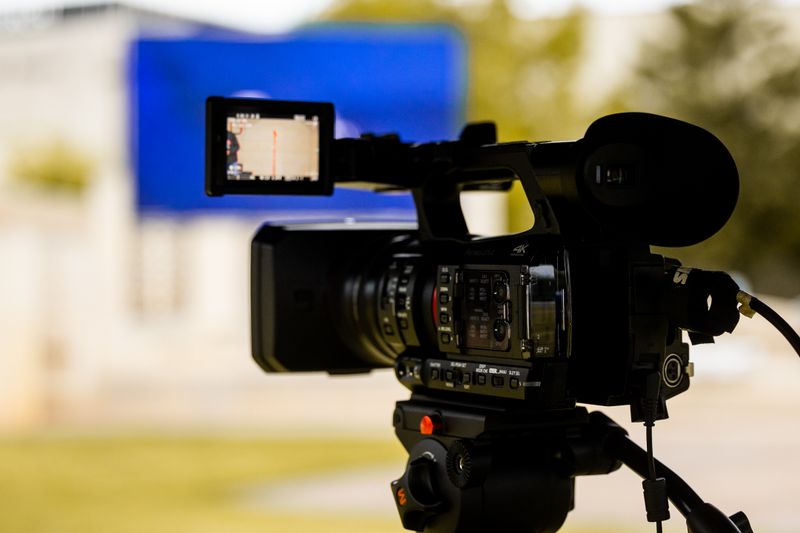
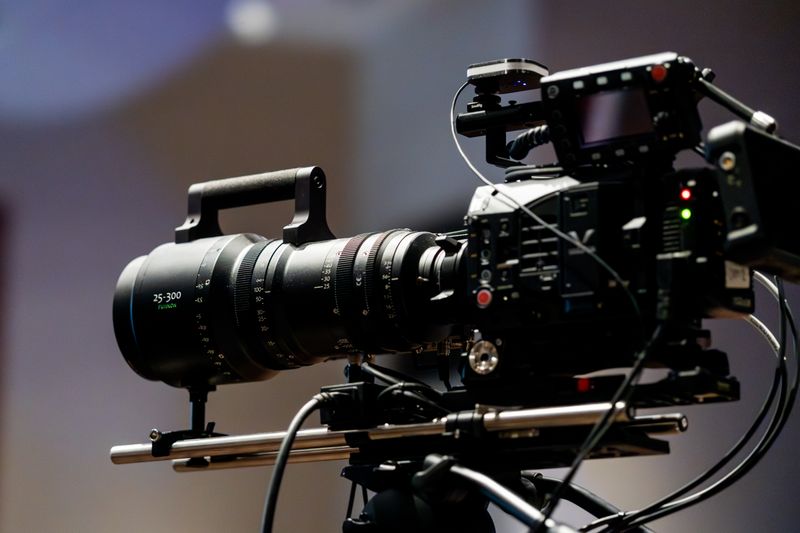
A major game involves dozens of cameras, replay operators, graphics staff and a director cutting live for hours with no opportunity to fix anything afterward.
Every element must be produced in real time, including the analysis, which is why the crew and truck for a single broadcast rival a film unit in size.
None of it can be reused, since the product exists only during the event, making sport unusually expensive per hour of lasting value.
Fragmentation is arriving anyway
Rights are increasingly split across broadcasters and platforms, so following a single league now requires several subscriptions rather than one channel.
That dispersal recreates the problem sport was supposed to solve, dividing the simultaneous audience across services that each hold part of a season.
The scarcity that made these rights valuable is therefore being consumed by the competition to acquire them, which is a familiar pattern in any market built on exclusivity.
Questions readers ask
Why do some shows improve in season two?
Usually because the first season was spent building the world and the second can use it. Shows that front-load setup gain most from having it behind them.
Does a longer gap between seasons help?
It helps the writing and hurts the audience relationship. Longer gaps allow proper development but risk viewers not returning, which is a commissioning trade-off rather than a creative one.
Also by Sanjeev Pillai
- Records got louder for thirty years, and the reason was competition rather than tasteMusic
- A record producer is doing four different jobs and the credit does not distinguish themMusic
- The vocal you love was assembled from thirty takes, and that is normal practiceMusic
- Mastering is not making it louder, and the confusion costs musicians moneyMusic