Music
The Opening Slot Is Bought As Often As It Is Earned
Support acts on major tours are sometimes selected artistically and sometimes pay for the position, and the arrangement is a normal part of how live music is financed.

Appearing before a headline act on tour is widely read as a mark of recognition. Sometimes it is, and sometimes it is a transaction, and the two are difficult to tell apart.
The slot has measurable value
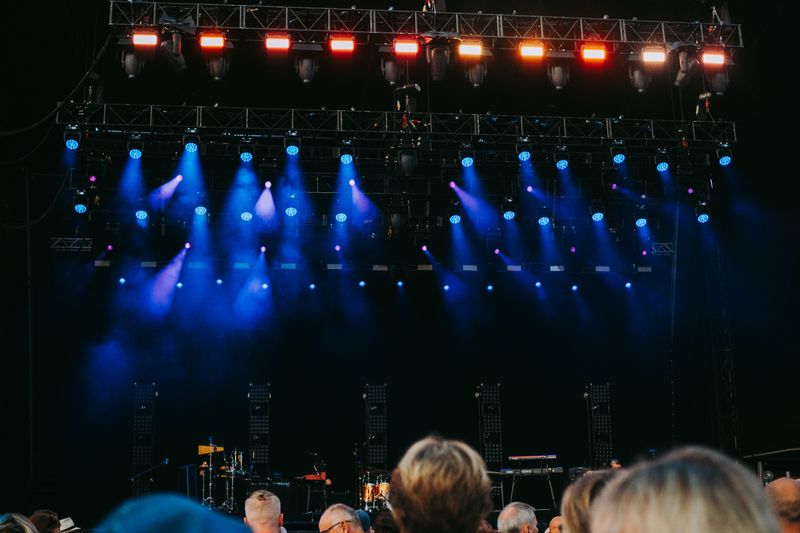
A support act plays to an audience assembled by somebody else, in venues far larger than it could fill, night after night across a tour.
That exposure is worth a great deal to an act building an audience, and its value is straightforwardly comparable to what a marketing spend would achieve.
Once something has a calculable value, it acquires a price. The economics follow directly from the exposure, not from anybody's cynicism.
Payment can flow in either direction
An established support act is paid a fee, negotiated like any other engagement, and may have real influence over stage time and production.
A developing act may instead contribute to tour costs, an arrangement often described as buying on and typically funded by a label as promotional expenditure.
Both are ordinary. Which applies depends on relative bargaining position, and the audience watching cannot distinguish between them from the stage.
The conditions of the slot are part of the deal
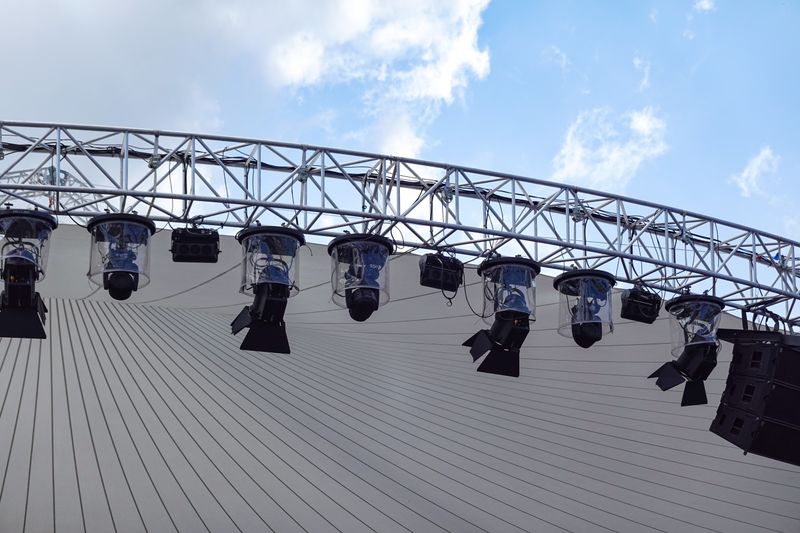
Support acts commonly receive limited soundcheck, restricted use of the lighting rig, a compressed stage area and a fixed short set.
These constraints are practical, since the headline production occupies most of the stage and changeover time is limited, and they also protect the headline act's impact.
A support act therefore performs under conditions it does not control and would not choose, which is part of why the slot is a difficult test.
Audience conversion is lower than expected
Playing to a large crowd is not the same as reaching one. Much of the audience arrives late, talks through the set, or is present without attending.
Acts that convert well tend to treat the slot as a specific format, playing short, immediate material rather than a compressed version of a headline set.
Those that treat it as an ordinary show usually report that a long tour produced less than expected, having spent months performing to people who were waiting.
Curation still happens and matters
Headline acts frequently choose supports themselves, on the basis of taste, personal connection or a wish to bring particular music to a larger audience.
These selections tend to produce the better-remembered pairings, because a headliner who chose the act will usually give it decent conditions.
The two systems run alongside each other on the same tours, which is why the slot cannot be read as a signal of anything on its own.
Questions readers ask
Is a cover ever better than an original?
Better is not a useful frame here. Covers that displace originals usually do something different rather than something superior, and the difference is what earns them their place.
Do original artists lose out when a cover succeeds?
Writers generally continue to benefit through publishing arrangements. Performers on the original recording have no comparable protection, which is where the real asymmetry sits.
Also by Vaishnavi Rao
- The unbroken take is a scheduling problem long before it is a stylistic oneFilm & Screen
- Development hell is not one problem — it is six, and they take turnsFilm & Screen
- The second act is where films fall apart, and the reason is structuralFilm & Screen
- A soundstage and a location ask completely different things of an actorFilm & Screen